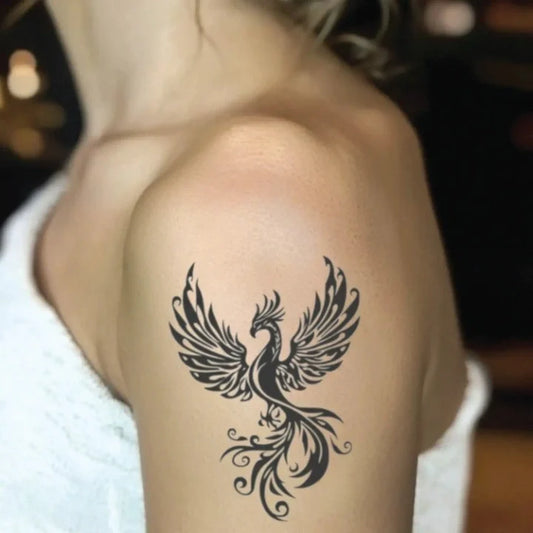
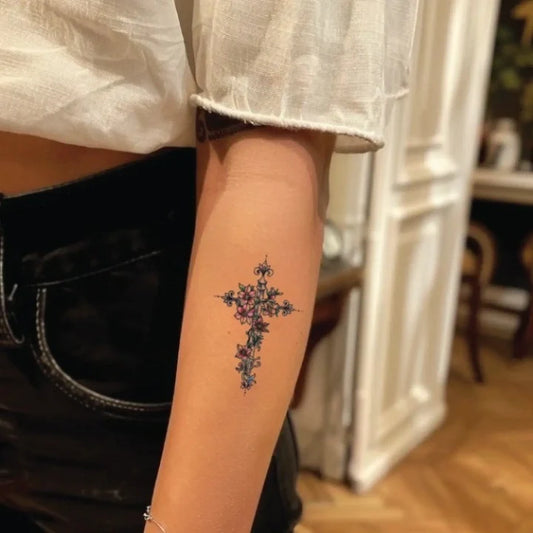
Bicep tattoos are a popular choice for visibility, flow, and easy coverage—but pain can vary by exact placement. In general, outer bicep tattoos are among the more tolerable spots, while inner bicep tattoos are noticeably more sensitive. If you’re weighing designs for bicep tattoos, it helps to understand why the inner arm can hurt more, how to prepare, and what to expect during healing.
Why inner bicep tattoos hurt more
- Thin, soft skin: The inner arm has thinner skin and less muscle padding than the outer bicep.
- Nerve density: The medial side of the arm has more nerve endings, so needlework feels sharper and “stingier.”
- Moisture and friction: Sweat, arm contact with the torso, and clothing rub can irritate a fresh tattoo.
- Stretching the skin: Artists must pull skin taut; on the inner bicep this can heighten the sensation.
Pain scale for bicep tattoos (typical experiences)
- Outer bicep (deltoid/bicep exterior): Low to moderate pain—often a great spot for first tattoos.
- Front bicep: Moderate pain—more sensitive than the outer cap but very manageable.
- Inner bicep (close to armpit): Moderate to high pain—thin skin and nerves increase intensity, especially near the axilla.
What affects your pain level
- Style and technique: Fine-line and light shading usually hurt less than heavy color packing, blackout, or dense stippling.
- Size and coverage: Large wraparound pieces that creep toward the armpit or elbow pits cross sensitive zones.
- Session length: Long sessions lead to swelling and fatigue, making the last hour feel sharper.
- Personal factors: Sleep, hydration, stress, caffeine, and natural pain tolerance all matter.
Preparation tips for inner bicep tattoos
- Rest and fuel: Sleep 7–8 hours, hydrate, and eat a solid meal beforehand.
- Clothing: Wear a sleeveless or loose short-sleeve top for easy access; avoid tight cuffs afterward.
- Numbing options: Ask your artist about approved topical anesthetics and timing instructions.
- Hygiene: Arrive clean and deodorant-free on the tattoo area; your artist will shave/prepare the skin.
Aftercare and healing for bicep tattoos
- Minimize friction: Avoid tight sleeves and intense arm workouts for a few days.
- Clean gently: Wash with mild soap and lukewarm water; pat dry—don’t rub.
- Moisturize lightly: Apply a thin layer of recommended ointment, then switch to fragrance-free lotion.
- Manage sweat: Keep the area dry; change shirts after workouts and avoid hot yoga/saunas early on.
- Sleep strategy: If possible, sleep with the tattooed arm on top to reduce sticking and pressure.
- Sun and water: No pools/hot tubs until healed (2–3 weeks). After healing, use SPF 30+ to protect color and linework.
Design and longevity tips for bicep tattoos
- Use bold lines and clear negative space on high-movement areas to maintain readability over time.
- Place the most delicate details slightly away from the armpit fold to reduce blur and irritation.
- Consider a two-stage approach: linework first, then shading/color in a second, shorter session.
Key takeaway
- Do inner bicep tattoos hurt? Yes—more than the outer bicep, due to thinner skin, nerve density, and friction. Still, most people rate inner bicep pain as moderate to high but manageable. With smart prep, the right style choices, and diligent aftercare, bicep tattoos heal well and offer an ideal balance of impact and coverability. If pain is a concern, start on the outer bicep and expand inward once you know your tolerance.