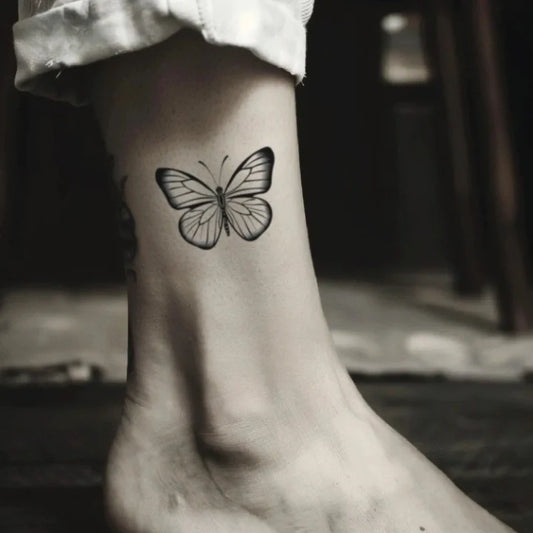
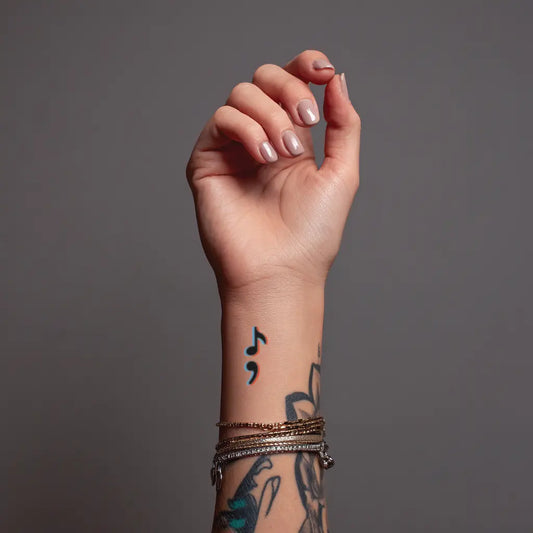
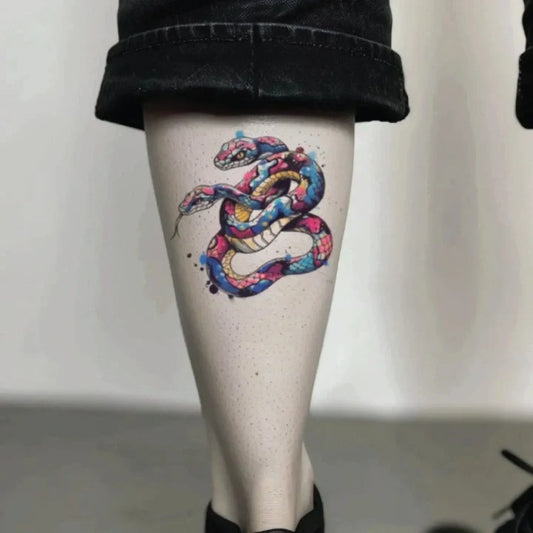
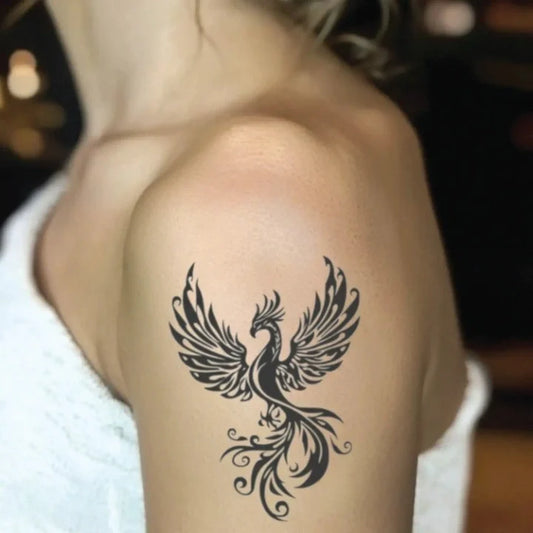
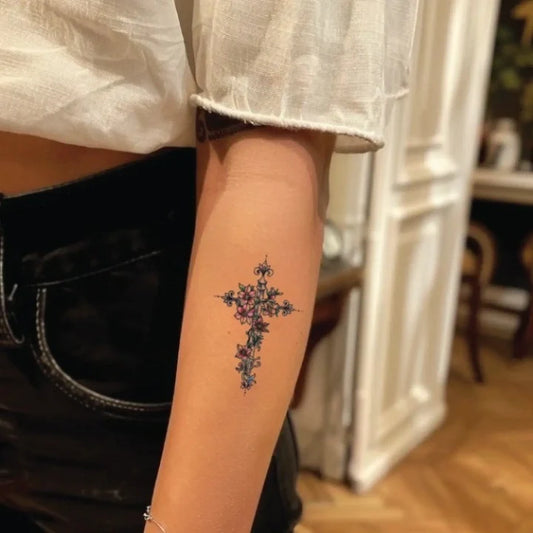
Calf tattoos are popular for their bold look, generous canvas, and easy coverability—and the good news is they’re usually on the lower to moderate end of the pain scale. Thanks to thicker skin and substantial muscle padding, most people find calf tattoos more comfortable than placements over bone (like ribs, ankles, or feet). That said, pain can vary based on exact location, design style, and session length. If you’re considering calf tattoos, here’s what to expect and how to set yourself up for a smooth experience.
Where calf tattoos hurt more vs. less
- Outer calf: Typically low to moderate pain. Muscle density cushions vibration well.
- Back of calf (gastrocnemius): Moderate—more sensitive during long sessions due to swelling and tightness.
- Inner calf: Moderate—slightly more tender and prone to friction from the opposite leg.
- Near the knee crease or Achilles: Higher sensitivity where skin is thinner and nerve-rich.
What affects pain for calf tattoos
- Style and technique: Fine-line and light shading generally feel gentler than heavy color packing, blackout sections, or dense stippling.
- Size and coverage: Wraparound calf tattoos that reach the knee pit or down toward the Achilles cross more sensitive zones.
- Session length: Longer sittings increase swelling and fatigue, making the last hour feel sharper.
- Personal factors: Hydration, sleep, stress levels, caffeine intake, and natural pain tolerance all play a role.
Preparation tips
- Rest and hydrate: Sleep 7–8 hours, drink plenty of water, and eat a balanced meal 1–2 hours before your appointment.
- Clothing: Wear loose shorts or joggers that can roll up comfortably and won’t rub fresh ink afterward.
- Skin care: Moisturize lightly in the days prior (not the day of). Let your artist handle shaving.
- Numbing options: Ask your artist about approved topicals if you’re concerned about pain.
Aftercare and healing for calf tattoos
- Manage swelling: Elevate the leg when you can, and use a wrapped cold pack for short intervals—never ice directly on fresh ink.
- Minimize friction: Avoid tight socks, shin guards, or snug boots while healing.
- Clean and moisturize: Wash gently with mild soap, pat dry, and apply a thin layer of recommended ointment before switching to fragrance-free lotion.
- Activity: Reduce running, heavy leg days, and long hikes for 3–7 days to prevent excess swelling and irritation.
- Sleep and movement: Keep sheets clean and avoid sleeping with the tattoo pressed into the mattress.
- Sun and water: No pools or hot tubs until healed (about 2–3 weeks). After healing, use SPF 30+—calf tattoos see lots of sun in shorts season.
Design and longevity tips
- Bold lines and clear contrast age well on the calf’s mobile skin.
- Place fine details slightly away from the knee crease and Achilles to reduce blur and irritation.
- Consider flow: Vertical motifs, anatomical contours, and wrap designs can complement the calf’s shape.
- If planning a sleeve, map transitions to the shin, knee, or ankle with your artist for cohesive flow.
Key takeaway
- Are calf tattoos painful? Most people rate them as low to moderate, with outer calf areas being the easiest and zones near the knee crease or Achilles feeling sharper. With smart prep, strategic design, and careful aftercare, calf tattoos heal well and maintain crisp detail—making them a great choice for both first-timers and collectors.