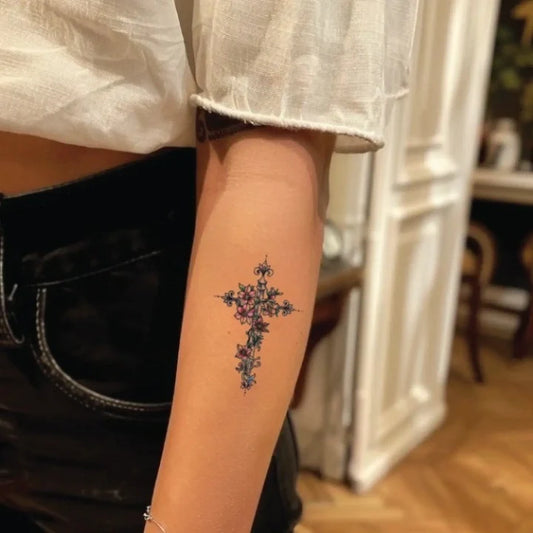
A cherub tattoo is a delicate, evocative design that blends heavenly innocence with timeless spiritual symbolism. Often depicted as chubby, winged infants with rosy cheeks and playful expressions, a cherub tattoo represents purity, divine love, protection, innocence, and spiritual guidance. These angelic figures carry deep emotional resonance, serving as reminders of faith, guardianship, or cherished memories. Far from mere cute baby angels, a cherub tattoo can embody profound personal stories—from celebrating new life and romance to honoring lost loved ones or seeking ongoing divine protection.
Historical and Cultural Roots of the Cherub Tattoo
Cherubim originate in ancient religious texts, particularly the Hebrew Bible (Old Testament), where they appear as powerful, multi-faced guardians of sacred spaces—like the ones stationed at the Garden of Eden or atop the Ark of the Covenant. Biblical cherubim were majestic, sometimes fearsome beings with multiple wings, animal features (lion, ox, eagle, human), and divine authority—not the soft infants we see today.
Over centuries, Renaissance and Baroque art transformed this image. Artists like Raphael and Michelangelo blended biblical cherubim with classical Greco-Roman putti (chubby winged boys inspired by Eros/Cupid), creating the iconic "baby angel" look. This Renaissance putto became synonymous with secular love, mischief, and innocence in paintings, while sacred contexts retained a more spiritual cherub. In modern tattoo culture, the cherub tattoo draws from this artistic evolution, often leaning toward the whimsical, cupid-like figure symbolizing romance (think Valentine's Day cherubs shooting arrows of love) or Christian/Jewish/Islamic angelic themes.
Note the nuance: strict theological cherubim differ from popular putti, but most cherub tattoos use the endearing, winged-child version for its approachable beauty and positive connotations.
Core Symbolism Behind a Cherub Tattoo
A cherub tattoo carries rich, layered meanings that adapt to the wearer's intent:
- Innocence and Purity — The childlike form evokes unspoiled youth, childlike wonder, or reclaimed purity after hardship.
- Divine Love and Romance — Linked to Cupid/Eros, cherubs symbolize affection, devotion, matchmaking, and deep emotional bonds—perfect for couples or self-love tributes.
- Protection and Guardianship — As heavenly messengers and guardians, they represent spiritual safeguarding, divine intervention, or being "watched over."
- Faith and Spirituality — A sign of belief in higher powers, hope, guidance, or connection to religious traditions (Christianity, Judaism, Islam).
- Memorial and Remembrance — Frequently chosen to honor deceased children, miscarriages, or young loved ones—symbolizing eternal innocence preserved in heaven.
- Hope, Joy, and Renewal — The playful, uplifting imagery conveys optimism, light after darkness, or embracing life's joyful moments.
These meanings allow flexibility: a single cherub might signify personal innocence, while multiple (e.g., three cherubs) can represent family unity, the Holy Trinity, or spiritual growth.
Popular Design Variations and Modern Interpretations
Artists render cherub tattoos in diverse styles to match personal narratives:
- Fine-line or minimalist: Delicate outlines with tiny wings for subtle elegance.
- Realistic black-and-grey: Detailed, lifelike infants with soft shading and ethereal glow.
- Neo-traditional or watercolor: Vibrant colors, clouds, hearts, or arrows for romantic flair.
- Combined elements: Cherubs holding roses (love), bows/arrows (Cupid influence), dates/names (memorials), halos (divine purity), or paired with opposing motifs like devils (duality of good/evil).
- Darker twists: Fallen or crying cherubs symbolizing "innocence lost" or inner conflict.
Fine-line and illustrative artists excel at capturing the tender, whimsical essence.
Who Gets a Cherub Tattoo and Why
Women often choose delicate, feminine versions for themes of motherhood, romance, or spiritual femininity. Parents ink them as tributes to children—living or lost. Spiritual individuals or those in faith communities select them for protection and guidance. Recovery seekers use them to mark reclaimed innocence. Even non-religious wearers appreciate the aesthetic of cherubic charm and universal positivity.
Strategic Placement Ideas
- Wrist or forearm: Visible daily reminder of love or protection.
- Chest or shoulder: Close to the heart for emotional or memorial significance.
- Collarbone or ankle: Graceful, subtle placements for feminine designs.
- Ribcage or back: Larger scenes with multiple cherubs or heavenly settings.
Important Considerations and Edge Cases
While overwhelmingly positive, a cherub tattoo ties strongly to religious iconography—some conservative or secular settings might associate it with Christianity. Cultural blending (e.g., Renaissance putti vs. biblical cherubim) warrants research to honor origins respectfully. Size affects detail: tiny cherubs risk losing facial nuance, while larger pieces allow storytelling depth. If combining with darker elements (e.g., weeping cherubs), ensure the artist balances tone to avoid unintended somberness. Aftercare preserves soft shading and fine details.
Final Thoughts on the Cherub Tattoo
A cherub tattoo transcends cuteness—it's a tender emblem of divine tenderness, enduring love, and protective grace. In a complex world, it offers gentle reassurance: innocence persists, love endures, and higher forces watch over us. Whether celebrating romance, honoring memory, affirming faith, or embracing personal purity, this design delivers timeless beauty with heartfelt depth.
If a cherub tattoo speaks to you, reflect on its personal significance first. Consult an artist skilled in fine-line, religious, or illustrative work, share your story, and let your ink become a winged guardian on your skin. Worn with intention, your cherub tattoo becomes more than art—it's a quiet, everlasting prayer of hope, love, and protection.