Chinese Tattoo Ideas
100+ Unique Chinese Tattoo Ideas by Global Tattoo Artists
-

Medium Chinese Name Calligraphy Tattoo on Men Arm by @jing.ink
Medium Chinese Name Calligraphy Tattoo on Men Arm by @jing.ink
-

Small Chinese Red Heart Knots Tattoo on Women Arm by @chopsticks_tattoo
Small Chinese Red Heart Knots Tattoo on Women Arm by @chopsticks_tattoo
-

Medium Chinese Sumi e Ink Splash Tattoo on Men Arm by @iam_raaven
Medium Chinese Sumi e Ink Splash Tattoo on Men Arm by @iam_raaven
-

Small Chinese Red Lantern with Last Name and Tassel Tattoo on Women Thigh by @tattooist_jason
Small Chinese Red Lantern with Last Name and Tassel Tattoo on Women Thigh by @tattooist_jason
-

Small Chinese Kanji Tattoo on Women Arm by @think_and_ink_tattoo
Small Chinese Kanji Tattoo on Women Arm by @think_and_ink_tattoo
-

Medium Chinese Cherry Blossom Branch Tattoo on Women Arm by @tyang.ink
Medium Chinese Cherry Blossom Branch Tattoo on Women Arm by @tyang.ink
-

Medium Chinese Bird Bamboo Flowers Tattoo on Women Shoulder by @tattoo.vinc
Medium Chinese Bird Bamboo Flowers Tattoo on Women Shoulder by @tattoo.vinc
-

Medium Chinese Red Chrysanthemum Flowers Tattoo on Women Leg by @jing.ink
Medium Chinese Red Chrysanthemum Flowers Tattoo on Women Leg by @jing.ink
-

Small Chinese Floral Frames Red Tattoo on Women Arm by @xueli_tattoo
Small Chinese Floral Frames Red Tattoo on Women Arm by @xueli_tattoo
-

Big Chinese Chinese Calligraphy Tattoo on Men Arm by @exrain.ttt
Big Chinese Chinese Calligraphy Tattoo on Men Arm by @exrain.ttt
-

Big Chinese Dragon Women Back by @conlll
Big Chinese Dragon Women Back by @conlll
-

Medium Chinese Lily Flower Tattoo on Women Leg by @meng_cz
Medium Chinese Lily Flower Tattoo on Women Leg by @meng_cz
-

Small Chinese Swan and Bamboo Tattoo on Women Arm by @romaintattoo
Small Chinese Swan and Bamboo Tattoo on Women Arm by @romaintattoo
-

Small Chinese Bamboo Tattoo on Women Arm by @sappho.tattoo
Small Chinese Bamboo Tattoo on Women Arm by @sappho.tattoo
-

Small Chinese Break Free from Cocoon Characters Tattoo on Women Shoulder by @jennifer_tattooooo
Small Chinese Break Free from Cocoon Characters Tattoo on Women Shoulder by @jennifer_tattooooo
-

Big Chinese Woman with Red Flowers and Mushroom Tattoo on Women Upper Arm by @zzltattoo
Big Chinese Woman with Red Flowers and Mushroom Tattoo on Women Upper Arm by @zzltattoo
-

Small Chinese Immensely Strong Kanji Script Tattoo on Women Arm by @dozo.tattooist
Small Chinese Immensely Strong Kanji Script Tattoo on Women Arm by @dozo.tattooist
-

Small Chinese Brother Kanji Tattoo on Men Arm by @argontattoo
Small Chinese Brother Kanji Tattoo on Men Arm by @argontattoo
-

Medium Chinese Monkey in Blue Frame Tattoo on Men Forearm by @saki.lss
Medium Chinese Monkey in Blue Frame Tattoo on Men Forearm by @saki.lss
-

Medium Chinese Tree with Branches and Circles Tattoo on Men Arm by @moko.cjtattoo
Medium Chinese Tree with Branches and Circles Tattoo on Men Arm by @moko.cjtattoo
-

Big Chinese Poem with Dragon Mountain Temple Tattoo on Men Arm by @wilson__tattoo
Big Chinese Poem with Dragon Mountain Temple Tattoo on Men Arm by @wilson__tattoo
-

Medium Chinese Pagoda Dragon Bamboo Tattoo on Women Hip by @po.tattoo_calligraphy
Medium Chinese Pagoda Dragon Bamboo Tattoo on Women Hip by @po.tattoo_calligraphy
-

Medium Chinese Tiger with Cherry Blossoms and Sun Tattoo on Women Arm by @fuguang.tattoo.studio
Medium Chinese Tiger with Cherry Blossoms and Sun Tattoo on Women Arm by @fuguang.tattoo.studio
-

Medium Chinese Bird Blossom Branch Tattoo on Women Shoulder by @tattoo.vinc
Medium Chinese Bird Blossom Branch Tattoo on Women Shoulder by @tattoo.vinc
-

Medium Chinese Birds and Flowers Men Arm by @m_mark_tattoos
Medium Chinese Birds and Flowers Men Arm by @m_mark_tattoos
-

Medium Chinese Keep Promise Tattoo on Men Arm by @ink_on_part
Medium Chinese Keep Promise Tattoo on Men Arm by @ink_on_part
-

Medium Chinese Lily Flower and Butterfly Tattoo on Women Thigh by @inkflow_double
Medium Chinese Lily Flower and Butterfly Tattoo on Women Thigh by @inkflow_double
-

Medium Chinese Elephant Cranes Pagoda Tattoo on Women Arm by @fuguang.tattoo.studio
Medium Chinese Elephant Cranes Pagoda Tattoo on Women Arm by @fuguang.tattoo.studio
-

Big Chinese Dragon and Lotus Tattoo on Men Arm by @feiyutattoo
Big Chinese Dragon and Lotus Tattoo on Men Arm by @feiyutattoo
-

Small Chinese Ancient Style Characters Tattoo on Men Chest by @thousandstroketattoo
Small Chinese Ancient Style Characters Tattoo on Men Chest by @thousandstroketattoo
-

Small Chinese Dragonfly Tattoo on Women Forearm by @selkie.tattoo
Small Chinese Dragonfly Tattoo on Women Forearm by @selkie.tattoo
-

Medium Chinese Koi Fish and Lily Pads Tattoo on Men Shoulder by @tattoo.vinc
Medium Chinese Koi Fish and Lily Pads Tattoo on Men Shoulder by @tattoo.vinc
-

Small Chinese Spirit Characters Tattoo on Women Arm by @jennifer_tattooooo
Small Chinese Spirit Characters Tattoo on Women Arm by @jennifer_tattooooo
-

Tiny Chinese Red Seal Tattoo on Women UpperArm by @koiw_tattoo
Tiny Chinese Red Seal Tattoo on Women UpperArm by @koiw_tattoo
-

Medium Beckham Chinese Tattoo on Men Arms by @caspar_tattoos
Medium Beckham Chinese Tattoo on Men Arms by @caspar_tattoos
-

Medium Chinese White Tiger with Sword Tattoo on Women Arm by @po.tattoo.studio
Medium Chinese White Tiger with Sword Tattoo on Women Arm by @po.tattoo.studio


Temporary Tattoos
-
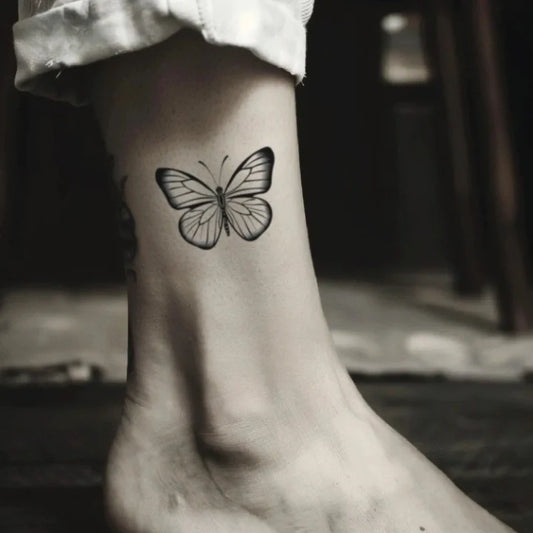
Simple Butterfly Temporary Tattoo
Vendor:TattoobnbRegular price $9.99 USDRegular price$9.99 USDSale price $9.99 USD -
Medusa Flower Temporary Tattoo
Vendor:TattoobnbRegular price $9.99 USDRegular price$9.99 USDSale price $9.99 USD -
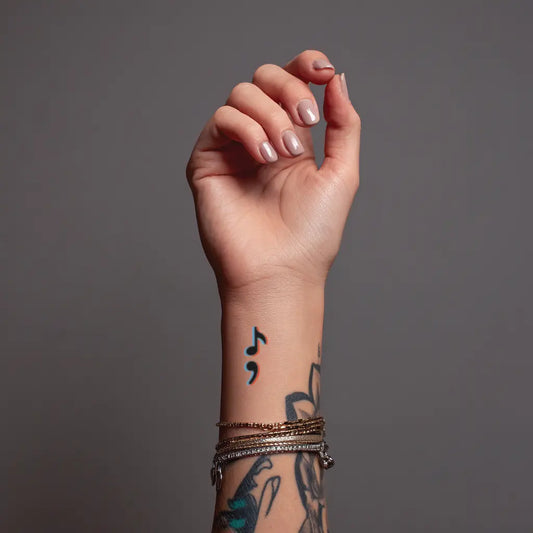
Music Semicolon Temporary Tattoo
Vendor:TattoobnbRegular price $9.99 USDRegular price$9.99 USDSale price $9.99 USD -
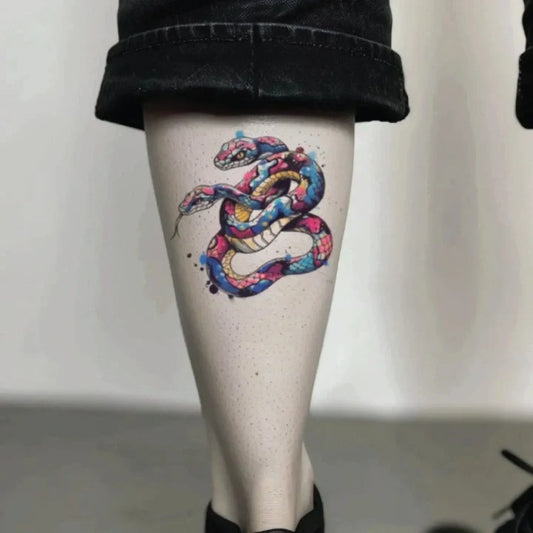
Colorful Two Headed Snake Temporary Tattoo
Vendor:TattoobnbRegular price $9.99 USDRegular price$9.99 USDSale price $9.99 USD -
Let Them Temporary Tattoo
Vendor:TattoobnbRegular price $9.99 USDRegular price$9.99 USDSale price $9.99 USD -
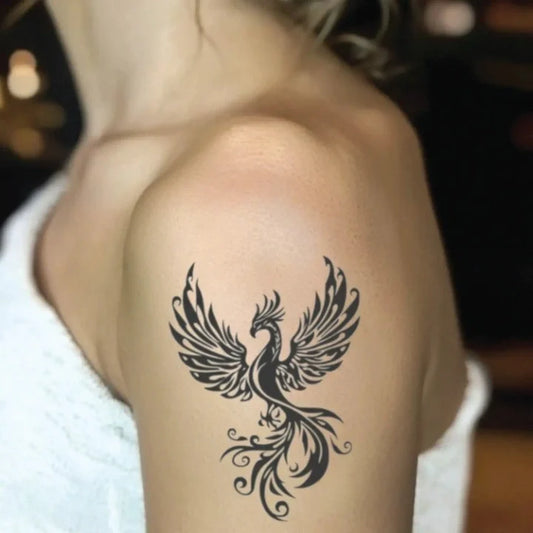
Tribal Phoenix Temporary Tattoo
Vendor:TattoobnbRegular price $9.99 USDRegular price$9.99 USDSale price $9.99 USD -
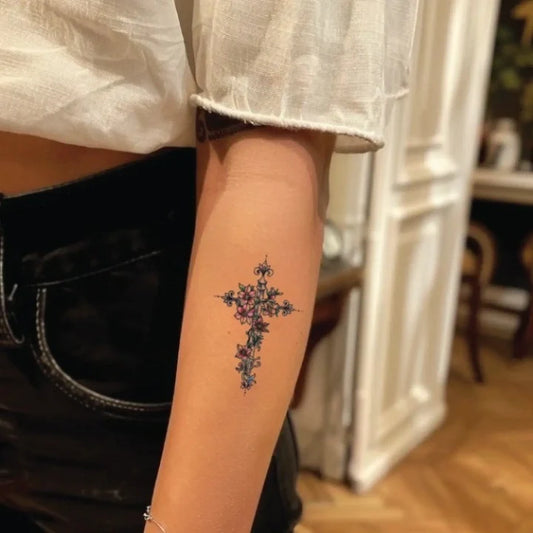
Flower Cross Temporary Tattoo
Vendor:TattoobnbRegular price $9.99 USDRegular price$9.99 USDSale price $9.99 USD -
Simple Skull Outline Temporary Tattoo
Vendor:TattoobnbRegular price $9.99 USDRegular price$9.99 USDSale price $9.99 USD