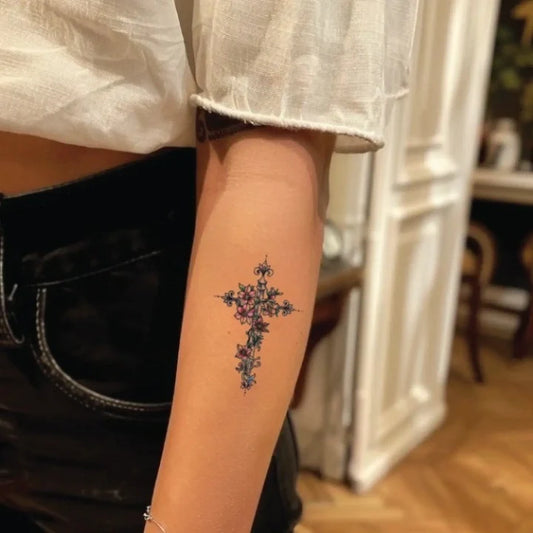
Collarbone tattoos are striking and elegant, but they’re also known for being on the higher end of the pain scale. Because the clavicle is a prominent bone with thin skin and minimal padding, collarbone tattoos often feel sharp, vibratory, and more intense than placements with more muscle or fat. If you’re considering collarbone tattoos—whether a delicate script along the bone or a floral piece that wraps to the shoulder—understanding the pain, prep, and healing process will help you get the best result.
Why collarbone tattoos hurt more
- Bone proximity: Needles working directly over the clavicle transmit vibration, creating a piercing, buzzy sensation.
- Thin skin and nerves: Less cushioning means you’ll feel linework and shading more distinctly.
- Movement: Breathing, talking, and shoulder motion can increase sensitivity and make long sessions tougher.
Pain scale and sensitive zones
- Directly on the clavicle ridge: High to very high pain.
- Just above or below the collarbone: Moderate to high—slightly easier than on the ridge itself.
- Toward the sternum or shoulder joint: Can feel sharper due to ligaments and thinner skin.
What affects your pain level
- Style: Fine-line and light shading generally hurt less than heavy color packing, blackout, or dense stippling.
- Size and coverage: Designs that extend toward the neck, sternum, or shoulder blade add sensitive areas.
- Session length: Swelling and fatigue build over time; shorter, staged sessions can be easier.
- Personal factors: Sleep, hydration, stress, and natural pain tolerance all matter.
Preparation tips for collarbone tattoos
- Rest and fuel: Sleep 7–8 hours, hydrate well, and eat a balanced meal beforehand.
- Avoid blood thinners: Skip alcohol and unnecessary NSAIDs 24 hours prior (confirm with your doctor if prescribed).
- Clothing: Wear a loose, wide-neck or button-down top to give your artist access and avoid rubbing afterward.
- Numbing options: Ask your artist about approved topical anesthetics and timing.
Aftercare and healing
- Keep it clean: Wash gently with mild soap and lukewarm water; pat dry.
- Moisturize lightly: Use a thin layer of recommended ointment, then switch to fragrance-free lotion.
- Minimize friction: Avoid tight collars, backpack straps, and heavy jewelry while healing.
- Manage movement: Try to limit extreme shoulder motions for the first few days.
- Sun care: Once healed, apply SPF 30+—collarbone tattoos get frequent sun exposure and can fade faster.
- Timeline: Tenderness in days 1–3, flaking/itching around days 4–7, and typical surface healing in 2–3 weeks; full settling takes longer.
Design and longevity tips
- Keep lines confident: Slightly thicker line weights and clear negative space help details age well on a bony, mobile area.
- Placement precision: Test positioning with a stencil or temporary version to account for asymmetry when you move or breathe.
- Contrast counts: For color work, anchor with solid blacks/shadows so the piece holds definition over time.
- Consider wrap strategy: Place the most intricate elements just above or below the bone and use simpler lines directly on the ridge.
Key takeaway
- Collarbone tattoos are beautiful but typically more painful due to bone proximity and thin skin. With smart design choices, solid prep, and careful aftercare, collarbone tattoos heal well and maintain their detail. If pain is a concern, start with a smaller fine-line piece near—but not directly on—the clavicle ridge, then expand once you know how your body responds.