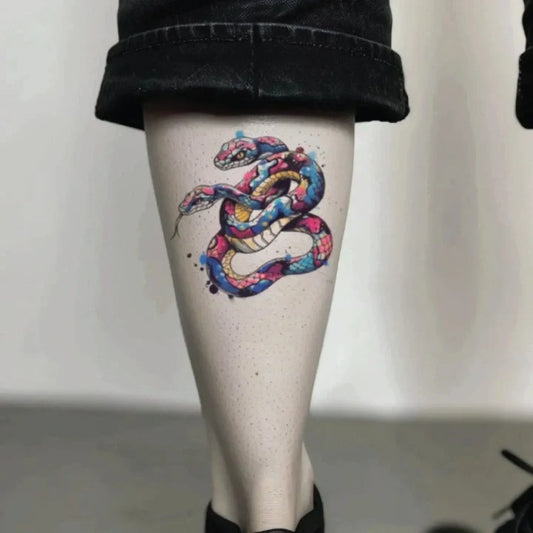
A fish tattoo is one of the most versatile and symbolically rich designs in tattoo culture, drawing from ancient myths, religious traditions, and personal journeys. Whether a graceful koi, a simple ichthys outline, or a vibrant tropical fish, a fish tattoo often represents perseverance, transformation, abundance, freedom, faith, and adaptability. Swimming effortlessly through water, fish embody the ability to navigate life's currents—facing challenges head-on, flowing with change, or thriving in adversity. This timeless aquatic motif appeals to people from all backgrounds, turning skin into a canvas for stories of resilience, spiritual connection, or celebration of nature's bounty.
Historical and Cultural Roots of the Fish Tattoo
Fish symbolism spans millennia and continents. In ancient Christianity, the ichthys (Greek for "fish") served as a secret sign among early believers. The word formed an acronym: ΙΧΘΥΣ (Iēsous Christos Theou Huios Sōtēr), meaning "Jesus Christ, Son of God, Savior." Persecuted Christians used the simple two-arc fish outline to identify fellow believers discreetly—making the fish tattoo a modern extension of this faith marker.
In Eastern traditions, particularly Japanese and Chinese culture, the koi carp dominates. Legend tells of koi swimming upstream against powerful waterfalls, persevering until they reached the Dragon Gate and transformed into mighty dragons. This myth symbolizes ultimate triumph over hardship, courage, and personal evolution. Polynesian tattoos feature fish motifs for prosperity and abundance, reflecting the ocean's life-giving role. In Western sailor culture, fish tattoos often signified safe voyages, luck, or a connection to the sea. These diverse origins allow a fish tattoo to carry universal yet deeply personal significance.
Core Symbolism Behind a Fish Tattoo
The meaning adapts to the specific fish and design:
- Perseverance and Strength — Especially koi swimming upstream, representing overcoming obstacles, addiction recovery, career struggles, or personal trials.
- Transformation and Growth — The koi-to-dragon legend embodies rebirth, major life changes, or self-improvement.
- Abundance, Prosperity, and Good Fortune — Fish symbolize fertility, wealth, and plenty in many cultures; gold or paired fish amplify luck and success.
- Freedom and Adaptability — Fish move freely in fluid environments, signifying independence, going with the flow, or emotional resilience.
- Faith and Spirituality — The Christian ichthys stands for belief, divine protection, and salvation; water ties to baptism and renewal.
- Peace, Tranquility, and Intuition — Gentle swimming fish evoke calm, emotional depth, or connection to the subconscious.
Direction matters in koi designs: upstream for struggle and determination, downstream for peace after triumph. Colors add nuance—black for overcoming darkness/masculinity, red for love/passion, gold for wealth, blue for peace.
Popular Design Variations and Modern Interpretations
Fish tattoos come in endless styles:
- Traditional Japanese koi: Bold outlines, vibrant colors, often with waves or lotus for full sleeves.
- Minimalist ichthys: Clean lines for subtle faith statements.
- Realistic or watercolor: Detailed scales and underwater scenes for artistic depth.
- Tribal/Polynesian: Geometric patterns emphasizing abundance.
- Combined elements: Fish with anchors (stability), roses (beauty in struggle), zodiac (Pisces), or dates/names for memorials.
- Darker twists: Skeleton fish or fishbone designs symbolizing mortality or "swimming through darkness."
Neo-traditional, fine-line, and illustrative artists bring fresh energy while honoring roots.
Who Gets a Fish Tattoo and Why
Athletes and survivors choose koi for perseverance badges. Christians select ichthys for quiet faith expressions. Ocean lovers, fishermen, or Pisces zodiac individuals honor their element. Recovery communities ink them as transformation symbols. Couples use paired fish for harmony and lasting bonds. Women favor elegant, flowing designs; men often go bold and expansive.
Strategic Placement Ideas
- Forearm or sleeve: Dynamic flow for visible koi journeys.
- Chest or back: Large canvases for detailed scenes or spiritual protection.
- Calf or thigh: Wrapping designs that "swim" with movement.
- Wrist or ankle: Small, subtle symbols for daily reminders.
- Ribcage: Intimate placements for personal stories.
Important Considerations and Edge Cases
Cultural respect matters—Japanese irezumi koi follow strict conventions; blending unrelated traditions risks appropriation. Religious fish (ichthys) may carry strong Christian associations in conservative settings. Size affects detail: tiny fish lose scale nuance, large pieces become immersive art. Direction and color choices should align with intended meaning. Aftercare preserves vibrant colors and fine shading.
Final Thoughts on the Fish Tattoo
A fish tattoo is never superficial—it's a fluid emblem of life's deepest currents. It celebrates endurance through storms, quiet faith in uncertain waters, or joyful abundance in everyday flow. Whether marking triumph over adversity, spiritual devotion, or love for the sea, this design offers profound beauty and personal power.
If a fish tattoo resonates, reflect on your story first—what current are you swimming against or with? Consult an artist experienced in cultural or symbolic work, share your intent, and let your ink glide with meaning. Your fish tattoo will forever remind you: like the fish, you adapt, persevere, and keep moving forward through every tide.