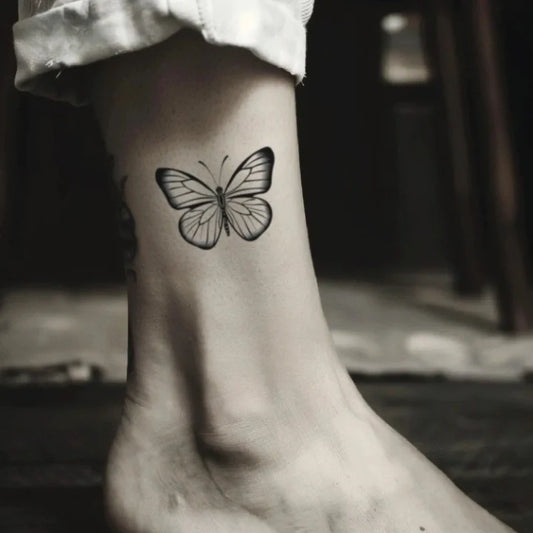
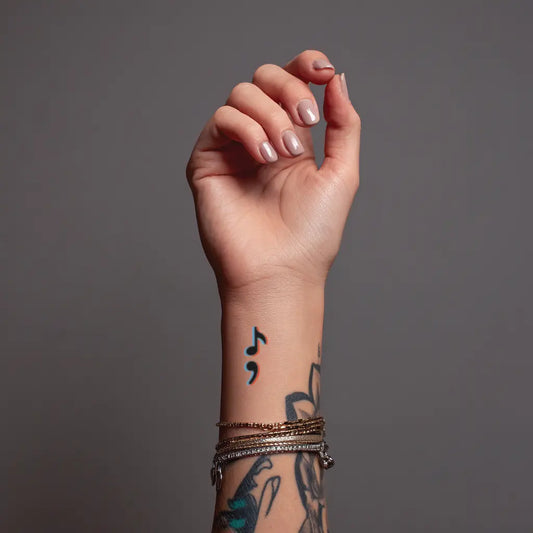
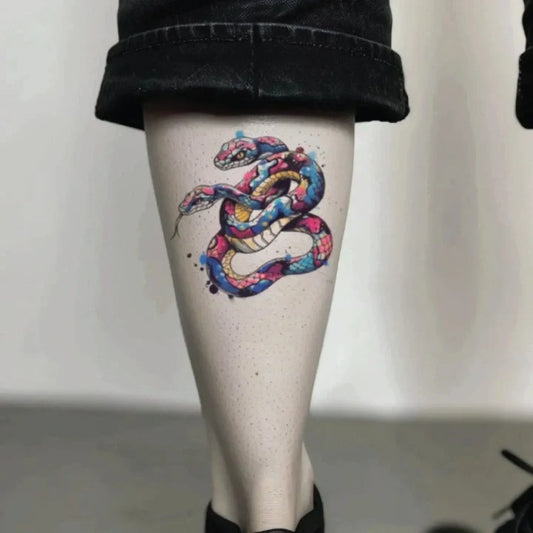
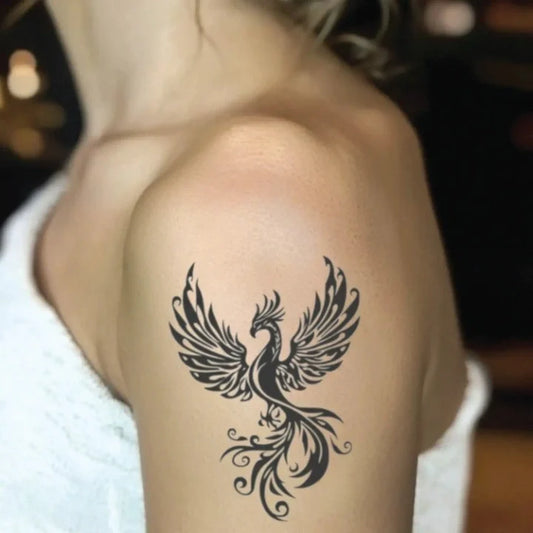
Foot tattoos are beautiful and eye‑catching, but they’re also known for higher pain levels compared to many other placements. The foot has thin skin, minimal fat, lots of nerve endings, and is close to bone and tendons—factors that make foot tattoos feel sharp, buzzy, and sometimes downright intense. With smart prep and aftercare, though, most people manage foot tattoos just fine and love the unique, elegant result.
Why foot tattoos hurt more
- Thin skin and bone proximity: Less cushioning means you feel needle vibration and pressure more clearly.
- Nerve‑dense areas: Along the toes, arch, and near the ankle bones can be especially tender.
- Constant movement and friction: Walking, socks, and shoes can irritate a fresh tattoo and complicate healing.
Pain scale by area (typical experiences)
- Top of foot over metatarsal bones: High pain—bony and vibratory.
- Near toes and along the arch: High to very high—nerve‑rich and sensitive.
- Outer foot and just above the ankle: Moderate to high—often a bit easier thanks to slightly more padding.
What influences pain and comfort
- Style and technique: Fine‑line and light shading generally hurt less than heavy color packing, blackout, or dense stippling.
- Session length: Shorter sittings reduce swelling and fatigue; large foot tattoos often benefit from multiple sessions.
- Personal factors: Sleep, hydration, stress, and natural pain tolerance make a real difference.
How to prepare for foot tattoos
- Rest and fuel: Sleep 7–8 hours, hydrate well, and eat a balanced meal beforehand.
- Footwear: Arrive in loose sandals or slides so nothing rubs the fresh tattoo afterward.
- Avoid blood thinners: Skip alcohol and unnecessary NSAIDs for 24 hours prior (confirm with your doctor if prescribed).
- Numbing options: Ask your artist about approved topicals and timing.
Aftercare and healing tips
- Minimize friction: Avoid tight socks, snug shoes, ankle straps, and long walks for the first days.
- Elevate and cool (wrapped): Elevate your foot and use a wrapped cold pack to manage swelling. Never put ice directly on fresh ink.
- Gentle cleaning: Wash with mild soap and lukewarm water; pat dry.
- Moisturize lightly: Apply a thin layer of the recommended ointment, then switch to fragrance‑free lotion as it peels.
- Avoid soaking and sun: No pools, hot tubs, or ocean until healed (2–3 weeks). After healing, use SPF 30+ to prevent fading.
Design and longevity advice for foot tattoos
- Keep contrast strong: Bold lines and clear negative space age better on high‑wear skin.
- Place fine details strategically: Keep the most intricate elements away from toe joints and high‑friction zones.
- Expect potential touch‑ups: Foot tattoos see more rubbing from footwear; a small refresh after healing isn’t unusual.
- Consider placement alternatives: If pain is a concern, start slightly higher toward the ankle for a first piece.
Key takeaway
- Foot tattoos typically hurt more than average due to thin skin, bone proximity, and constant friction, especially over the top of the foot and near the toes. With smart design choices, good preparation, and careful aftercare, foot tattoos can heal cleanly and hold their detail. If this is your first tattoo, consider a smaller design or a placement just above the foot to gauge your comfort before committing to a larger piece.