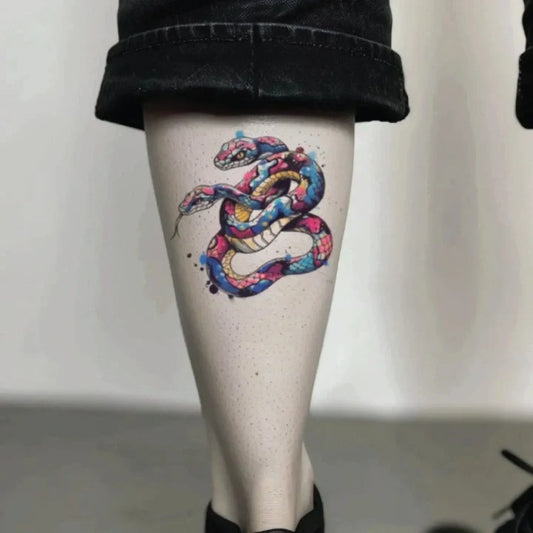
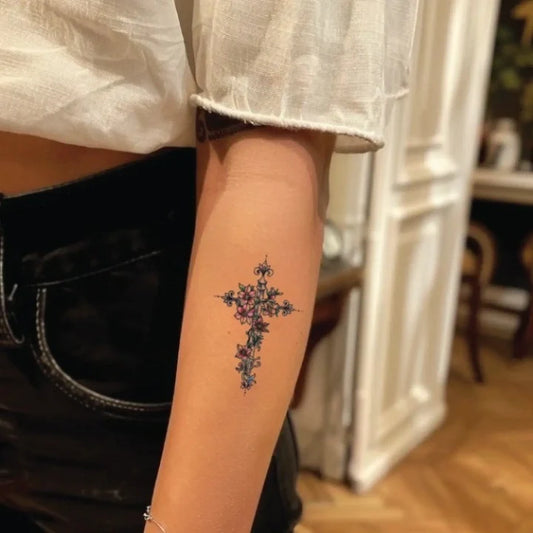
A gothic tattoo is a tattoo style defined by dark aesthetics, dramatic contrast, and themes of romance, mortality, mysticism, and architecture drawn from Gothic art, literature, and subculture. Typically rendered in blackwork or black-and-grey, a gothic tattoo favors ornate details, sharp silhouettes, and moody symbolism—think cathedrals, gargoyles, ravens, roses, and baroque filigree. If you’re drawn to Victorian literature, medieval architecture, or the goth subculture, a gothic tattoo offers a rich visual language that feels timeless and theatrical.
Defining features of a gothic tattoo
- High contrast: Deep blacks, crisp linework, and controlled negative space for striking readability.
- Ornate detailing: Filigree, lace, stained-glass motifs, illuminated manuscript flourishes, and decorative borders.
- Symbolic imagery: Skulls, coffins, candles, hourglasses, keys, bats, moths, thorns, and dark florals (black roses, lilies).
- Architectural elements: Gothic arches, rose windows, spires, gargoyles, and wrought-iron patterns.
- Romantic melancholy: References to classic gothic literature and themes—love, loss, fate, and the supernatural.
Popular subjects for a gothic tattoo
- Nature and animals: Ravens, owls, wolves, snakes, and death’s-head hawkmoths.
- Religious and occult: Crosses, rosaries, cathedral windows, tarot-inspired frames, moons, and stars.
- Portraiture: Victorian silhouettes, vampires, witches, or literary figures framed with baroque scrolls and lace.
- Botanical: Roses, ivy, poppies, and thorny vines entwined around daggers, frames, and locks.
Why choose a gothic tattoo
- Timeless impact: Bold blacks and clear shapes age well and stay legible.
- Storytelling depth: A gothic tattoo can encode personal narratives about transformation, remembrance, or devotion.
- Versatility: Works as small talismans (keys, moths) or as large compositions (sleeves, back pieces, sternum panels).
Design and planning tips
- Establish a focal point: Anchor the piece with a primary subject (gargoyle, skull, portrait) and frame it with filigree or arches.
- Manage detail density: Use line hierarchy—bold outlines for outer forms, finer lines for lace and textures—to prevent visual clutter after healing.
- Use negative space: Carve highlights and stained-glass “glow” from skin to keep the gothic tattoo readable.
- Scale wisely: Fine lace and window tracery need medium-to-large sizing to remain crisp.
Color vs. blackwork in a gothic tattoo
- Black-and-grey: Classic, durable, and ideal for stone textures, fabric folds, and chiaroscuro lighting.
- Selective color: Deep reds, wine, indigo, or muted jewel tones can accent roses, eyes, or stained-glass panels without overpowering the blacks.
Placement ideas
- Forearm/upper arm: Great for vertical arches and framed vignettes.
- Calf/thigh: Accommodates tall cathedral scenes or moth-and-dagger compositions.
- Chest/sternum/back: Ideal for symmetrical filigree, crosses, and large architectural designs.
Technique and healing
- Tools and approach: Bold liners for structure; fine liners for lace; mags/curved mags for velvety shading and stone-like textures.
- Aftercare: Gentle washing, thin moisturizer, avoid sun/submersion 2–3 weeks. Long-term, SPF 30+ keeps black rich and prevents haze.
Choosing an artist for your gothic tattoo
- Portfolio fit: Seek artists who excel in blackwork, filigree, architecture, and healed results with strong contrast.
- References: Bring cathedral details, baroque engravings, and book illustrations to align mood and texture.
- Cohesive sets: For sleeves, repeat motifs (thorns, arches) to unify separate pieces into one narrative.
Key takeaway
- What is a gothic tattoo? It’s a darkly elegant style rooted in Gothic art, architecture, and literature, distinguished by high-contrast blackwork, ornate details, and symbolic storytelling. With thoughtful composition, appropriate scaling, and an artist skilled in filigree and architectural motifs, a gothic tattoo delivers dramatic, enduring body art that remains bold and meaningful over time.