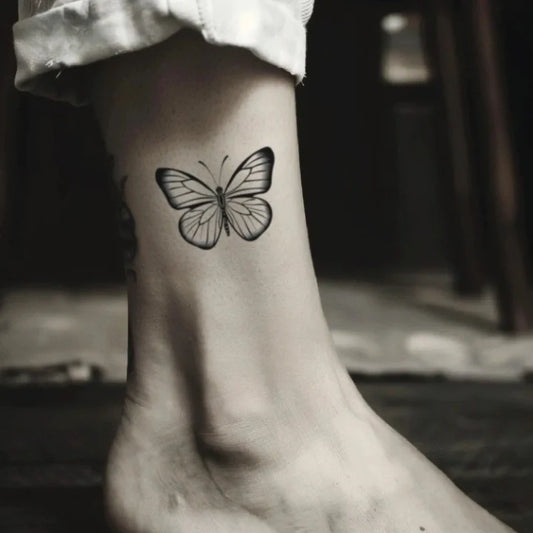
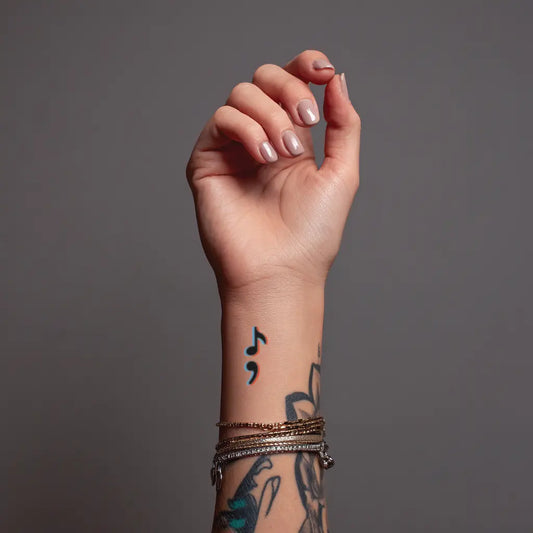
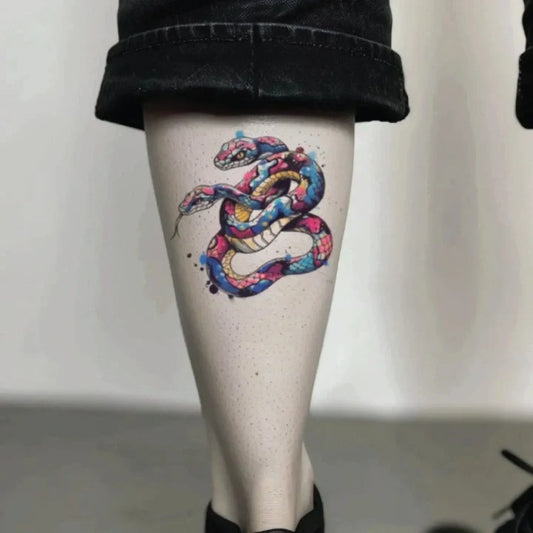
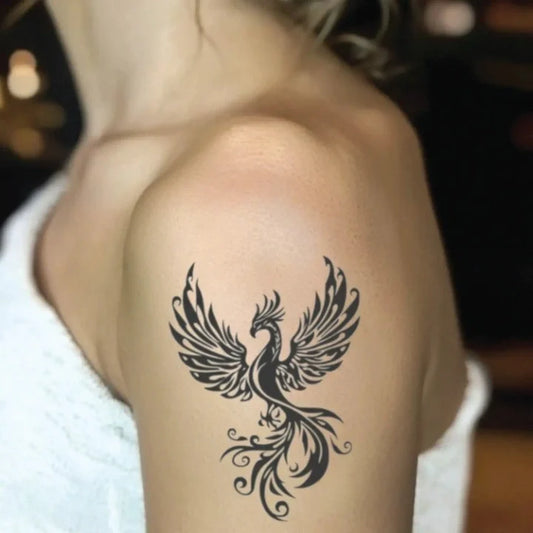
A knife tattoo is a striking symbol of protection, precision, and personal boundaries. Across cultures and tattoo traditions, a knife tattoo can represent courage under pressure, the ability to cut away what no longer serves you, and a readiness to face life’s sharp edges. Whether rendered as a chef’s knife, dagger, switchblade, or ornate stiletto, a knife tattoo often blends danger with discipline—signaling clarity, focus, and self-reliance.
Core meanings of a knife tattoo
- Protection and defense: A talisman that stands for vigilance, safety, and the power to guard your peace.
- Clarity and separation: Cutting ties with the past, breaking habits, or making decisive choices.
- Skill and mastery: Chef’s knives and artisan blades honor craft, precision, and lifelong practice.
- Duality: Beauty and danger; tenderness and toughness—acknowledging complexity in identity.
- Sacrifice and resilience: Enduring hardship, surgery/recovery journeys, or transformative rites of passage.
Popular knife tattoo styles and ideas
- Traditional/neo-traditional: Bold outlines, saturated colors, and classic motifs like roses, hearts, and snakes.
- Blackwork/illustrative: High-contrast silhouettes, stippled shading, and ornamental handles for timeless impact.
- Realism: Polished steel, reflections, and woodgrain hilts—best on medium-to-large placements.
- Minimalist linework: Clean contours for a subtle, modern knife tattoo that reads clearly small.
- Ornamental/geometric: Filigree guards, mandalas, or sacred geometry to balance edge with elegance.
Symbolic pairings
- Rose or peony: Love and pain; passion with boundaries.
- Snake: Transformation, cunning, and survival wisdom.
- Heart or banner: Heartbreak, devotion, vows, or meaningful names/dates.
- Flame or smoke: Purification, intensity, and drive.
- Hourglass or clock: Timing, endings, and new beginnings.
Placement ideas
- Forearm or wrist: Visible reminder of focus and resolve.
- Upper arm or shoulder: Room for florals, banners, or animals wrapping the blade.
- Calf or thigh: Larger compositions with realism and background texture.
- Chest or sternum: Close-to-heart symbolism—protection, truth, and commitment.
- Ribcage or back: Elongated knife silhouettes with ornate handles or script.
Design and readability tips
- Prioritize silhouette: Clear blade, guard, and handle shapes keep your knife tattoo legible at a glance.
- Light and metal: Consistent highlights along the edge sell sharpness and 3D realism.
- Line hierarchy: Bold outer lines with fine interior details prevent blur over time.
- Contrast and negative space: Dark shadows next to bright highlights create crisp steel effects.
- Scale wisely: Micro knives can lose detail; size up for inscriptions, serrations, or woodgrain.
Personalization ideas
- Choose the blade type that mirrors your story—chef’s knife for craft, tanto for resilience, stiletto for elegance, karambit for adaptability.
- Etch a mantra or date into the blade—“cut through,” “protect,” or a recovery milestone.
- Incorporate cultural motifs, heirloom patterns, or family crests on the handle.
Aftercare and longevity
- Heal gently for 2–3 weeks: Clean lightly, moisturize thinly, avoid soaking and sun.
- Long-term care: SPF 30+ preserves crisp blacks, subtle gradients, and steel highlights vital to a knife tattoo.
- Artist selection: Look for expertise with reflective surfaces and tight linework; convincing edges and clean symmetry elevate the piece.
In essence, a knife tattoo symbolizes strength with intention—the courage to protect, the wisdom to let go, and the focus to cut a clear path forward. With a clean silhouette, thoughtful pairings, and meaningful blade choice, your knife tattoo becomes a timeless emblem of precision, resilience, and self-mastery.