A moon phases tattoo is one of the most poetic and spiritually rich designs in contemporary tattoo culture. Depicting the lunar cycle—from the invisible new moon through waxing crescents, quarters, gibbous stages, to the radiant full moon and back to waning phases—this ink serves as a permanent reminder of life's constant ebb and flow. At its core, a moon phases tattoo symbolizes transformation, renewal, personal growth, cycles of time, intuition, femininity, and the balance between light and darkness. It captures the universal truth that nothing stays the same: every ending births a new beginning, making it a deeply meaningful choice for anyone navigating change, healing, or self-discovery.
Historical and Cultural Roots of the Moon Phases Tattoo
The moon has been revered across civilizations for millennia. In ancient Greek and Roman mythology, it was linked to goddesses like Selene, Artemis, and Diana—embodying femininity, mystery, and the hunt. Indigenous cultures worldwide viewed lunar phases as guides for planting, harvesting, and rituals. In Wicca, paganism, and modern witchcraft, the moon's eight phases align with the Triple Goddess archetype: Maiden (waxing), Mother (full), and Crone (waning), reflecting stages of womanhood, creation, and wisdom. Chinese traditions associate the moon with harmony, renewal, and yin energy. Egyptian lore tied it to protection and fertility. Sailors once inked moon symbols for safe voyages. Today, the moon phases tattoo blends these ancient threads with personal spirituality, appealing to those who feel connected to cosmic rhythms.
Core Symbolism Behind a Moon Phases Tattoo
The design's power lies in its representation of the full lunar cycle, often shown in a linear row, arc, or circle:
- New Moon — Invisible darkness; new beginnings, intention-setting, rebirth, potential, and planting seeds for the future.
- Waxing Phases (Crescent to First Quarter to Gibbous) — Growth, building energy, manifestation, youth, creativity, and forward momentum.
- Full Moon — Peak illumination; completion, abundance, heightened intuition, emotional clarity, fertility, power, and celebration of achievements.
- Waning Phases (Gibbous to Last Quarter to Crescent) — Release, letting go, introspection, wisdom, closure, and preparation for rest or renewal.
Together, these phases remind wearers that life is cyclical: struggles lead to growth, highs give way to reflection, and every phase holds purpose. Many choose a moon phases tattoo to honor resilience after loss, recovery from trauma, career shifts, motherhood journeys, or simply embracing impermanence. It also represents duality—light/dark, masculine/feminine, conscious/subconscious—encouraging balance.
Popular Design Variations and Modern Interpretations
Artists interpret the moon phases tattoo in diverse styles:
- Minimalist fine-line: Tiny dots or outlines in a straight line or gentle curve—subtle and elegant.
- Realistic black-and-grey: Detailed craters and shading for a celestial, almost photographic effect.
- Watercolor or illustrative: Soft gradients, starry backgrounds, or floral integrations for dreamy vibes.
- Geometric or dotwork: Sacred-geometry patterns emphasizing cosmic order.
- Combined motifs: Phases with flowers (growth), butterflies (transformation), constellations, zodiac signs, quotes, dates, or personal symbols like hearts or arrows.
- Circular designs: Full cycle in a mandala-like wreath for eternal renewal.
Neo-traditional, fine-line, and single-needle artists dominate this style, often adding personalization for deeper resonance.
Who Gets a Moon Phases Tattoo and Why
Women frequently select it for its connection to menstrual cycles, intuition, and divine feminine energy, though men embrace it equally for themes of personal evolution and balance. Spiritual seekers, astrologers, witches, artists, and those in recovery communities love its reminder of progress through phases. Parents might ink it to mark children's births aligned with moon cycles. Survivors of grief or major life transitions use it as a badge of endurance.
Strategic Placement Ideas
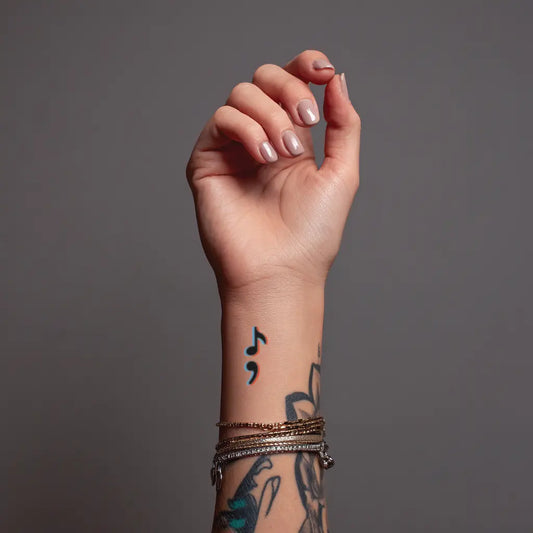
- Forearm or wrist: Visible daily motivation for growth.
- Spine or ribcage: Elegant flow mirroring life's backbone.
- Collarbone or shoulder: Graceful arc for feminine energy.
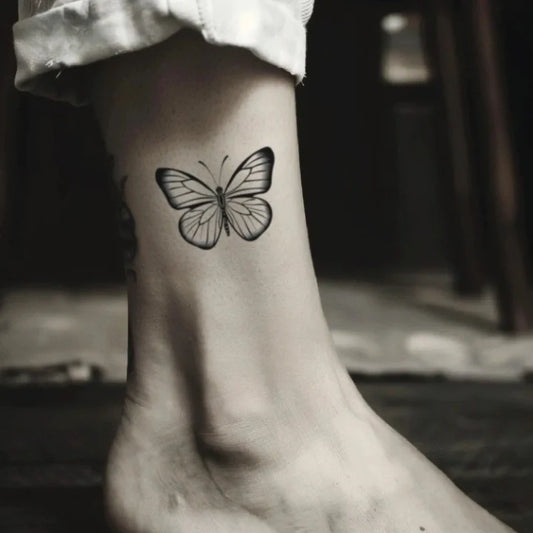
- Ankle or foot: Subtle reminder of grounded cycles.
- Back or thigh: Larger canvases for detailed, wrapping designs.
Important Considerations and Edge Cases
While overwhelmingly positive, the moon phases tattoo can carry strong feminine or occult associations—some conservative settings may misinterpret it. Cultural specificity matters: avoid blending unrelated traditions without research to prevent appropriation. Size impacts detail—tiny versions lose nuance, while large ones become statement pieces. If including specific phases only (e.g., new + full for beginnings and fulfillment), clarify intent. Aftercare is key for fine lines and shading to maintain crispness over time.
Final Thoughts on the Moon Phases Tattoo
A moon phases tattoo transcends aesthetics—it's a living talisman of change, resilience, and cosmic connection. In a world of constant flux, it whispers that every dark night ends in light, every ending seeds renewal. Whether marking a personal rebirth, honoring feminine power, or simply celebrating life's beautiful impermanence, this design offers timeless depth and quiet strength.
If a moon phases tattoo calls to you, reflect on which phases resonate most with your story. Consult a skilled artist experienced in celestial or fine-line work, share your symbolism, and let your ink become a permanent phase in your own lunar journey. Wear it proudly—your skin now carries the rhythm of the universe itself.