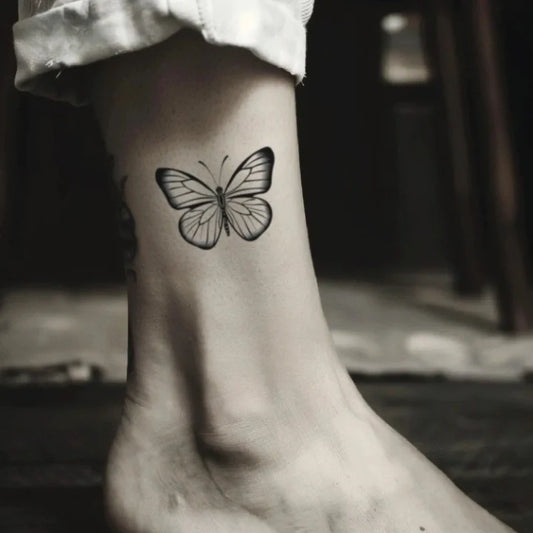
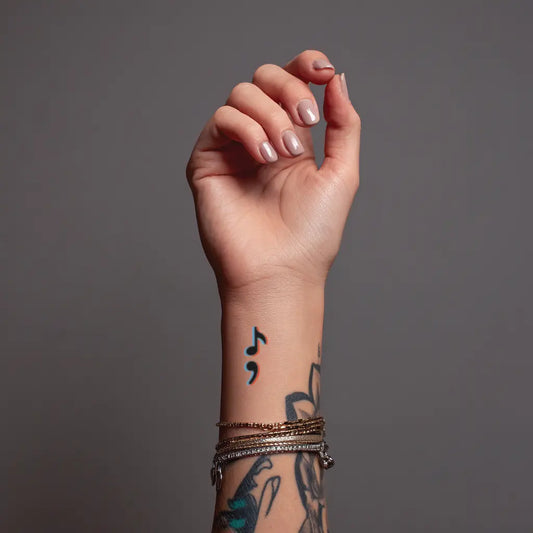
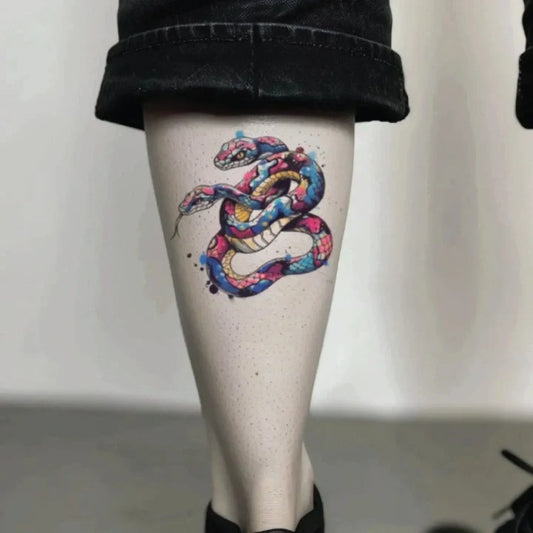
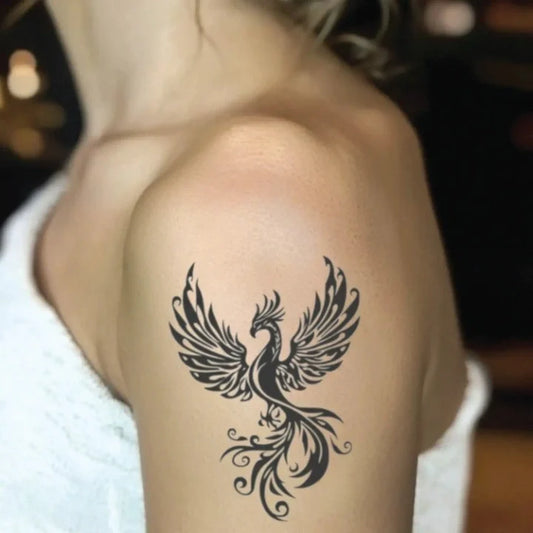
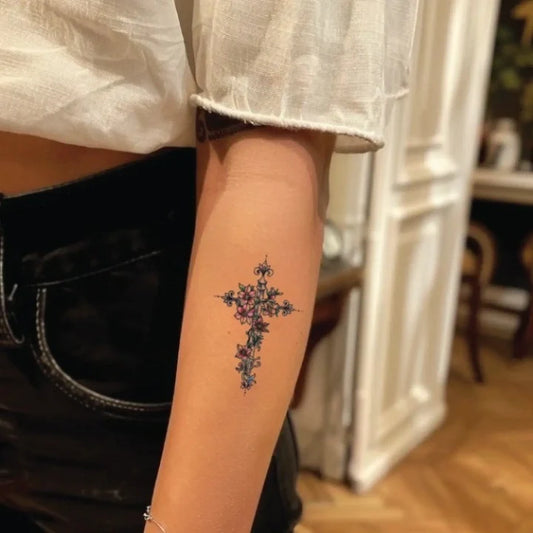
Short answer: Often, yes—shading can take longer than the outline, but it depends on size, style, skin type, and the artist’s technique. The outline tattoo typically establishes the structure with steady single-pass lines. Shading and color packing build volume, gradients, and texture across larger surface areas, which can require more time and multiple passes.
Why the outline tattoo is usually faster
- Single-pass workflow: The outline tattoo is drawn with a liner needle, focusing on clean, continuous lines. Once each line is placed correctly, it’s done.
- Less surface coverage: Lines cover far less skin than filled or shaded regions.
- Efficient navigation: Artists follow a planned stencil path, minimizing back-and-forth.
Why shading can take longer
- Greater coverage: Whip and pendulum motions, circular shading, and color packing cover wide zones compared to a narrow outline tattoo.
- Multiple passes for gradients: Smooth black-and-grey blends or soft color transitions require layered passes with controlled dilution and needle angle changes.
- Needle configuration changes: Switching between mags/curved mags and different voltages adds setup and finesse time.
- Skin response management: Shading can cause more cumulative irritation. Artists pace themselves to prevent overworking areas.
Typical time comparisons
- Small pieces: A simple outline tattoo might take 15–45 minutes; adding soft shading can double that.
- Medium designs (forearm, calf): Outlining 1–2 hours; shading 2–4+ hours depending on density and detail.
- Large compositions (sleeves, back): Outlining may be completed in one session; shading often spans multiple sessions for comfort and skin recovery.
Factors that affect time
- Style: Realism and smooth black-and-grey take longer than minimalist or flash styles. Heavy color saturation extends session length.
- Skin type and placement: Oily or sensitive skin, ribs, and inner arm can slow shading compared to flatter, resilient areas.
- Artist speed and machine setup: Experienced artists with dialed-in mags and power settings can shade efficiently, but quality still takes time.
Pain and endurance
- Sensation differences: Many people feel the outline tattoo as a sharper “scratch,” while shading feels broader and duller. Over time, wide-area shading can be more tiring.
- Breaks and swelling: Shading sessions may need more breaks to manage swelling, which adds to total time.
Planning tips to save time and improve results
- Session strategy: For larger projects, consider separate sessions—outline tattoo first, then staged shading/colour—to reduce trauma and keep blends clean.
- Reference clarity: High-resolution references and a clear value map let the artist shade with fewer corrections.
- Aftercare discipline: Proper healing between sessions reduces touch-up time—gentle washing, thin moisturizer, no picking, and strict sun avoidance.
Key takeaway
- Does shading take longer than the outline? Frequently, yes. The outline tattoo lays the blueprint quickly, while shading builds depth and coverage that demand more passes, precision, and time. For the best outcome, plan realistic session lengths, work with an artist skilled in black-and-grey or color blending, and follow meticulous aftercare to protect your investment.