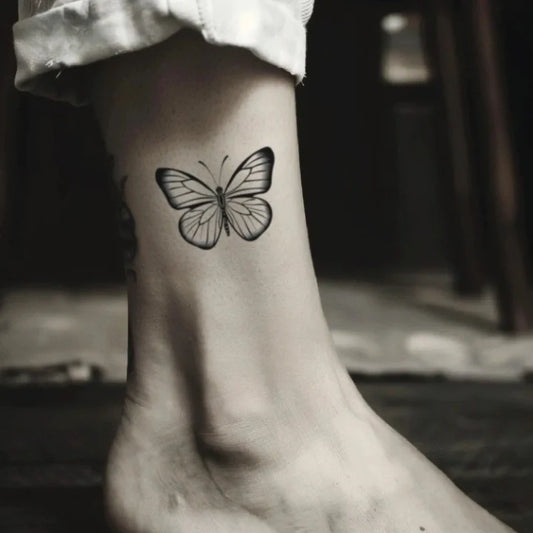
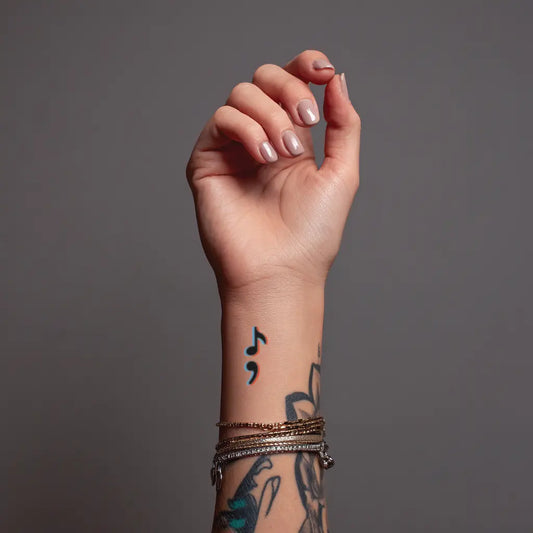
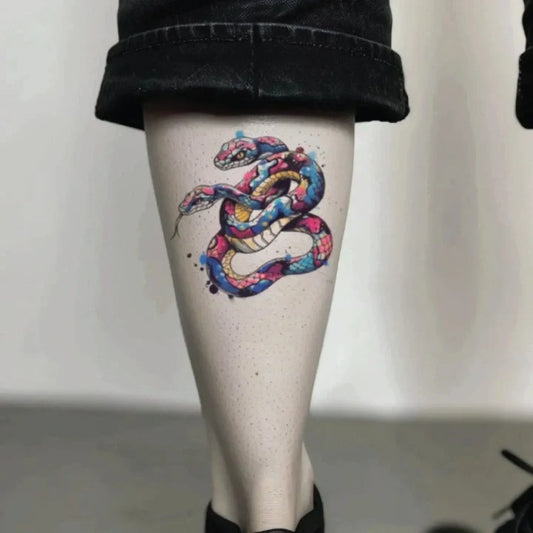
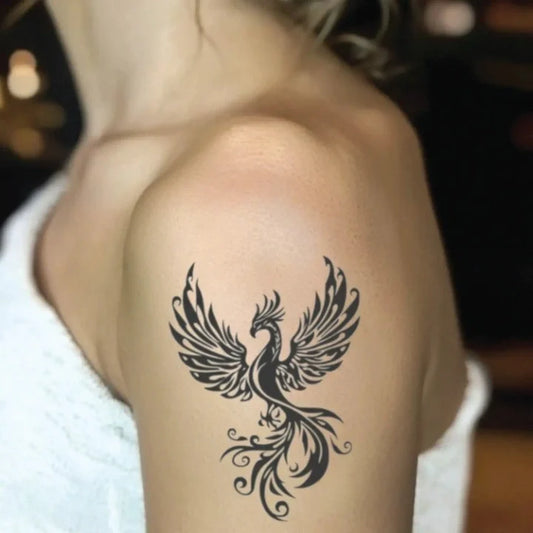
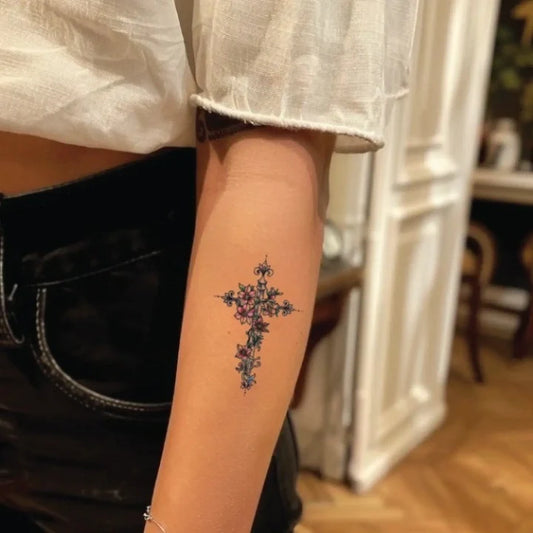
A realism tattoo is a tattoo style focused on creating lifelike images that look like photographs or true-to-life paintings on skin. Using precise linework, smooth shading, and nuanced color or black-and-grey values, a realism tattoo aims for accurate proportions, believable textures, and natural lighting. Whether it’s a portrait of a loved one, a wildlife scene, or a cinematic still, the realism tattoo style prioritizes detail and depth to achieve a stunning, three-dimensional effect.
What defines a realism tattoo
- Photographic accuracy: Correct anatomy, perspective, and scale so the subject feels real.
- Smooth gradients: Soft transitions between light and shadow using layered washes or color blends.
- Texture rendering: Skin pores, fur, fabric, metal, and glass are suggested with micro-detail and value control.
- Subtle linework: Minimal outlines; edges are often defined by contrast rather than bold lines.
Black-and-grey vs. color realism tattoo
- Black-and-grey realism: Uses diluted black inks to build rich shadows and mid-tones. Timeless and often longer-lasting in readability.
- Color realism: Employs a wide palette with careful hue shifts and highlights to capture lifelike tones, reflections, and atmosphere. Demands rigorous sun care to preserve vibrancy.
Popular subjects for a realism tattoo
- Portraits: Family members, cultural icons, and memorial pieces.
- Animals and nature: Big cats, birds, marine life, florals, forests.
- Objects and still life: Clocks, jewelry, skulls, instruments, and reflective surfaces.
- Cinematic and pop culture: Film scenes, characters, and hyper-real props (ensure permission when needed).
Design and planning tips
- Choose high-resolution reference: Clear, well-lit photos with defined shadows produce the best realism tattoo results.
- Scale appropriately: Go bigger so micro-details (eyes, whiskers, textures) heal legibly.
- Composition matters: Use background fades, bokeh, smoke, or negative space to frame the focal point.
- Consider placement: Flat areas like forearm outer, calf, thigh, and upper arm help preserve proportions. Curvier zones may distort faces if not planned well.
Technique and sessions
- Layering and glazing: Artists build depth with multiple passes, slowly increasing contrast.
- Needle selection: Fine liners for crisp details; mags/curved mags for smooth shading and color packing.
- Multiple sittings: Large realism tattoo projects are typically done over several sessions to avoid overworking skin and to refine details.
Longevity and aftercare
- Sun protection is crucial: UV fades pigment and lowers contrast—use SPF 30+ after healing.
- Moisturize and avoid friction during healing; no pools or hot tubs for 2–3 weeks.
- Touch-ups: Over years, subtle refreshes can restore highlights and shadows, especially in color realism.
Choosing an artist for a realism tattoo
- Review healed photos: Not just fresh work—healed images reveal true quality.
- Subject specialization: Some excel at portraits, others at animals or metallic textures. Match the artist to your concept.
- Consistent values: Look for clean mid-tones, crisp highlights, and confident blacks without muddiness or blown-out whites.
Common pitfalls to avoid
- Low-quality reference images that force guesswork.
- Too small a size for complex faces or intricate textures.
- Overuse of pure white highlights, which can heal chalky if not applied expertly.
Key takeaway
- A realism tattoo recreates life on skin with meticulous shading, accurate proportions, and thoughtful composition. With a skilled artist, high-quality references, appropriate sizing, and diligent aftercare, a realism tattoo delivers breathtaking, photo-true artwork that remains readable and impactful for years.