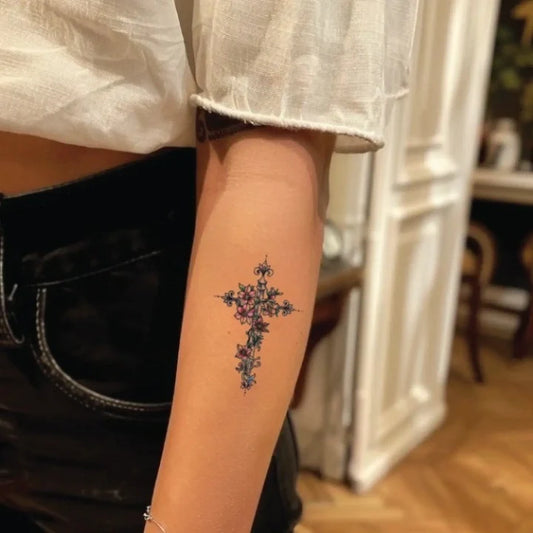
A Sak Yant tattoo is a sacred yantra tattoo from Thailand, Cambodia, and Laos, traditionally hand-poked by Buddhist monks or ajarns (respected masters). More than body art, a Sak Yant tattoo is a spiritual blessing. Each design is inscribed with geometric patterns, ancient scripts (Khmer or Khom), and prayers (katas) believed to grant protection, luck, charisma, strength, or discipline. If you’re curious about a Sak Yant tattoo, understanding its origins, rituals, and responsibilities is essential.
What makes a Sak Yant tattoo unique
- Hand-poked ritual: The tattoo is typically applied with a long metal or bamboo rod, not a machine, using precise, rhythmic pokes.
- Sacred geometry and script: Designs combine yantras (mystic diagrams) with syllables and mantras that carry specific blessings.
- Blessing ceremony: After the tattoo, the monk or ajarn performs a chant to “activate” the yant’s power.
- Rules and precepts: Many yants come with behavioral guidelines (kiat) aligned with Buddhist ethics; honoring them is part of the commitment.
Popular Sak Yant tattoo designs and meanings
- Gao Yord (Nine Spires): Authority, protection, and good fortune; often placed high on the back.
- Hah Taew (Five Lines): Five lines of blessings for luck, charm, protection from harm, and success.
- Paed Tidt (Eight Directions): Safeguards travel and offers protection in every direction.
- Hanuman, Tiger, Garuda: Courage, leadership, and victory over obstacles; worn by those seeking strength and fearlessness.
- Yant Metta: Loving-kindness and attraction, enhancing charisma and harmonious relationships.
Is a Sak Yant tattoo only for Buddhists?
- Many ajarns will tattoo and bless non-Buddhists if intentions are sincere. Transparency and respect are key; some lineages may decline, which should be accepted graciously.
How to get a Sak Yant tattoo respectfully
- Choose a qualified practitioner: Seek a reputable temple or ajarn with a traceable lineage and strong community reputation.
- Learn the meaning: Let the ajarn recommend a yant aligned with your life goals instead of choosing purely by looks.
- Bring proper offerings: Flowers, incense, donations, cigarettes, or alcohol vary by tradition—ask what’s appropriate.
- Dress modestly, behave respectfully: Follow temple etiquette, remove shoes, and avoid loud or disrespectful behavior.
- Honor the precepts: If a yant includes rules (e.g., honesty, restraint, respect for elders), be prepared to live by them.
Placement and pain
- Common placements include the upper back, shoulders, chest, and forearms. Pain ranges from mild to moderate depending on the spot and your tolerance; the steady hand-poked rhythm feels different from a machine.
Aftercare and longevity
- Clean gently with mild soap and lukewarm water; pat dry and apply a thin layer of recommended ointment.
- Avoid pools, hot tubs, and direct sun during healing (about 2–3 weeks). After healing, use SPF 30+ to protect the Sak Yant tattoo from fading.
- Some people return for re-blessings or renewals to maintain the spiritual connection.
Cultural respect and alternatives
- A Sak Yant tattoo is not just a “style”—it is a religious practice. If you want the look without the ritual, consider a yantra-inspired tattoo from a regular studio and be clear that it is not an authentic Sak Yant tattoo.
- Avoid copying restricted designs or adding commercial logos or trivial elements to sacred motifs.
Key takeaway
- A Sak Yant tattoo is a sacred, hand-poked yantra blessed by a monk or ajarn, intended to offer spiritual protection and guidance. Approach it with humility, choose a qualified practitioner, understand the meaning and rules, and care for it properly. Done respectfully, a Sak Yant tattoo becomes a lifelong spiritual pact—not just a piece of art.