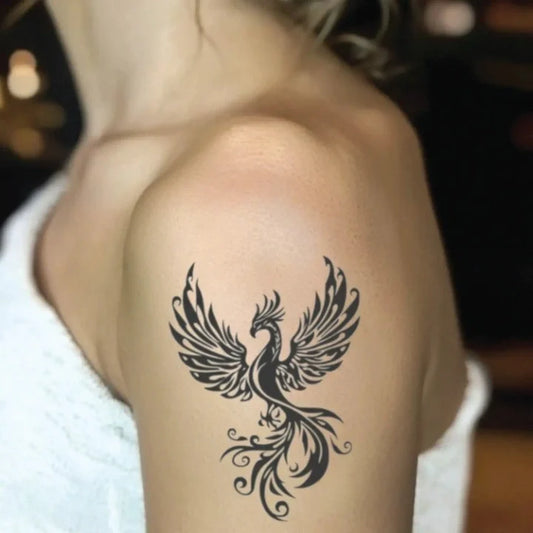
Shoulder tattoos are generally considered one of the more tolerable placements, especially on the outer shoulder and deltoid. Thanks to thicker skin and good muscle padding, most people rate shoulder tattoos as low to moderate on the pain scale. That said, pain can vary depending on the exact spot, your design, and session length. If you’re planning shoulder tattoos as your first ink, the area is a popular, beginner-friendly choice.
Where shoulder tattoos hurt more vs. less
- Least painful: Outer shoulder/deltoid cap. Good cushioning makes lines and shading easier to sit through.
- Moderate: Front shoulder (near the clavicle) and upper biceps wrap. Thinner skin and more movement increase sensitivity.
- More painful: Top of the shoulder near the collarbone, inner shoulder toward the chest, and shoulder blade edges. Bone proximity and nerve-rich areas can sting and vibrate more.
- Most painful zones: Directly over the collarbone tip or toward the armpit fold—thin skin and nerve endings amplify discomfort.
What affects pain for shoulder tattoos
- Style and technique: Fine-line and light shading are gentler than heavy color packing, blackout, or dense stippling.
- Size and placement: Larger pieces that cross onto the chest, neck, or upper back feel more intense than a design kept on the deltoid.
- Session length: Longer sits lead to swelling and fatigue, which can make the last hour feel sharper.
- Your prep: Sleep, hydration, and a steady meal before your appointment can noticeably reduce perceived pain.
How to make shoulder tattoos easier
- Prep well: Hydrate 24 hours prior, sleep 7–8 hours, and avoid alcohol/blood thinners before your session.
- Clothing: Wear a tank top or loose tee that exposes the shoulder without rubbing fresh ink afterward.
- Numbing options: Ask your artist about approved topicals and timing; follow their guidance.
- Breaks and pacing: Short, planned breaks help manage swelling and sensation on longer pieces.
Healing and aftercare for shoulder tattoos
- Movement: The shoulder rotates often; minimize strenuous overhead movements for the first few days.
- Clothing friction: Avoid backpack straps and tight sleeves that can rub or stick to your tattoo.
- Clean and moisturize: Wash gently with mild soap, pat dry, and apply a thin layer of recommended ointment, then switch to fragrance-free lotion.
- Sleep tips: If possible, sleep on the opposite side to reduce pressure and irritation.
- Sun care: Once healed, use SPF 30+—shoulder tattoos get frequent sun and can fade faster.
Design and longevity tips for shoulder tattoos
- Use bold, clear lines on high-movement areas; keep fine details positioned where skin is more stable (outer deltoid).
- Wraparound designs look great but consider placing the most intricate elements away from collarbone edges and armpit folds.
- For color tattoos, strong contrast and strategic black anchoring help the piece age well in sunny, active zones like the shoulder.
- Expect possible touch-ups if your design crosses bony landmarks or high-friction areas.
Good candidates for shoulder tattoos
- Florals, mandalas, and geometric caps that fit the deltoid curve.
- Animals, mythic figures, or crests that can wrap from upper arm to shoulder blade.
- Script or dates arcing along the shoulder line for subtle visibility.
Key takeaway
- Most shoulder tattoos are low to moderate in pain, with the outer deltoid being one of the easiest spots. Discomfort rises near the collarbone, armpit, and shoulder blade edges. With smart design placement, solid prep, and careful aftercare, shoulder tattoos heal well and hold detail and color beautifully over time. If you’re new to ink, shoulder tattoos offer a great balance of visibility, comfort, and longevity.