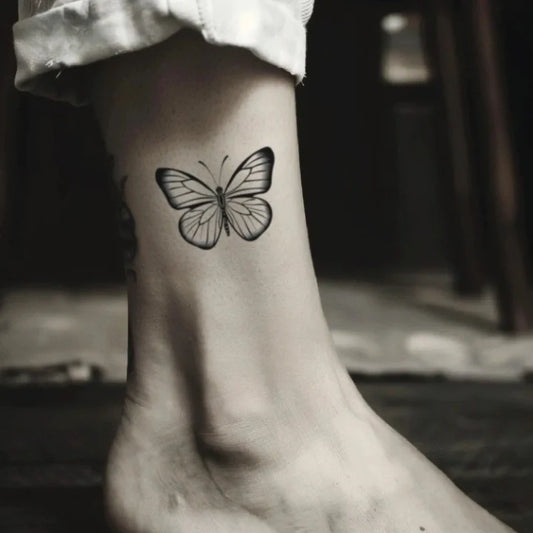
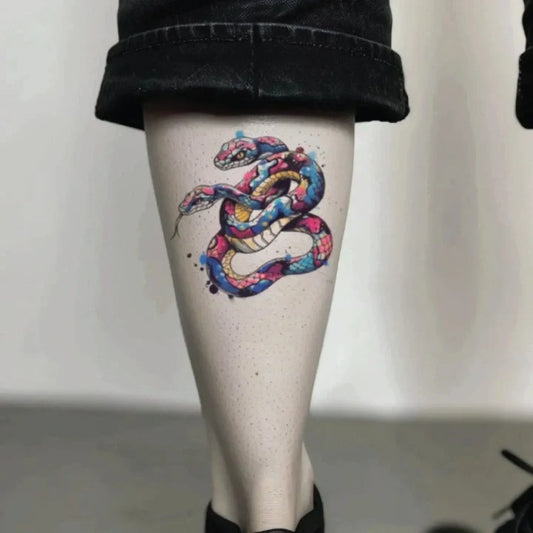
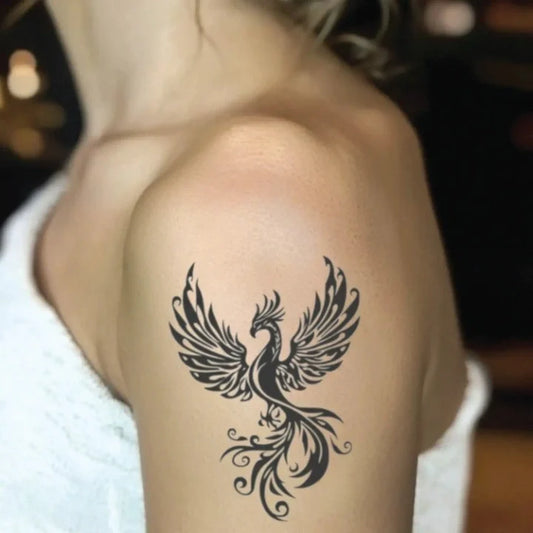
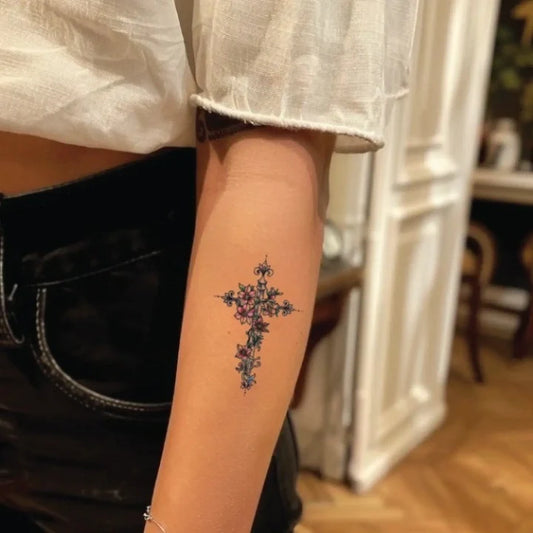
Drawing a strong traditional tattoo (also called American traditional or “old school”) means mastering bold linework, limited yet punchy color, and iconic motifs with clear storytelling. The traditional tattoo style is built for readability from a distance and longevity on skin, so designs must be simple, balanced, and high-contrast. Here’s a step-by-step guide to drawing a traditional tattoo that looks authentic and heals well when translated to skin.
Core principles of traditional tattoo
- Bold outlines: Use heavy primary lines (often 5–9+ weight if translating to needles) for the main silhouette, with selective secondary lines for interior details.
- Limited palette: Classic colors include black, red, green, yellow, and occasionally blue or brown. Prioritize black for contrast and shading.
- Simple shapes: Favor clear silhouettes and avoid clutter. If it won’t read at arm’s length, simplify.
- Iconic symbolism: Think eagles, swallows, panthers, daggers, roses, hearts, anchors, ships, snakes, skulls, lady heads, and banners.
How to draw a traditional tattoo step by step
- Reference and sketch
- Collect historical references from classic artists (Sailor Jerry, Bert Grimm, Ed Hardy). Note line weights, shading placement, and color blocking.
- Start with basic shapes: Build the subject using circles, ovals, and triangles to find a powerful silhouette.
- Establish the flow: Use S-curves and diagonals; traditional tattoo compositions often read best on limbs when they “point” or curve with the anatomy.
- Linework
- Finalize the contour with a bold, single-weight outline for the outer shape.
- Add selective interior lines to define forms (petal folds, feather separation, snake scales) without over-detailing.
- Use line hierarchy: Thicker for the main outline, medium for secondary forms, thin sparingly for accents.
- Black shading
- Pack solid blacks first. Traditional tattoo shading is graphic: whip shading, pepper shading, or smooth fills, but always deliberate.
- Place shadows to enhance depth under overlaps (petals under petals, dagger hilt under hand).
- Preserve large, clean areas of skin as negative space—contrast is king in a traditional tattoo.
- Color blocking
- Lay in flat, saturated color. Traditional tattoo palettes rely on solid fills with minimal blending.
- Common combos: red rose petals with green leaves; yellow accents with red outline pops; blue for background elements like water or banners.
- Use black next to bright colors for maximum pop. Keep transitions simple (a single whip or two, not airbrush gradients).
- Highlights and accents
- Reserve small skin breaks or off-white for highlights on edges and metallic surfaces.
- Add classic details: stippled seeds on roses, eye whites on panthers, simple dot clusters or starbursts for atmosphere.
- Composition for the body
- Fit to anatomy: Make the traditional tattoo follow muscle lines—vertical for forearms and calves; diagonal S-curves for biceps and thighs; wedges and medallions for shoulders.
- Use banners and leaves to extend or taper the piece so it sits naturally on the placement.
- Lettering and banners
- Keep lettering bold and legible; all-caps with a slight arc fits the traditional tattoo vibe.
- Space letters generously; avoid thin serifs that may blur over time.
Pro tips for authenticity and longevity
- Over-simplify rather than over-detail—traditional tattoo designs age better when clean.
- Prioritize black: more black, more longevity.
- Test at a distance: If it reads instantly from 6–10 feet, you’re on track.
- Limit the palette to 3–5 colors plus black; too many hues dilutes the traditional tattoo look.
- Maintain symmetry or purposeful asymmetry—avoid accidental imbalance.
Recommended tools
- Paper and pencil for thumbnails, then ink with brush pens or liners to practice bold strokes.
- Digital: Procreate or Illustrator with custom traditional tattoo brushes to simulate needle weights and whip shading.
Key takeaway
- To draw a convincing traditional tattoo, focus on a powerful silhouette, decisive black shading, a restrained vintage palette, and iconic imagery. Build from simple shapes, use clear line hierarchy, and design for readability on the body. With these fundamentals, your traditional tattoo drawings will look authentic on paper—and translate beautifully to skin.